 By Admin
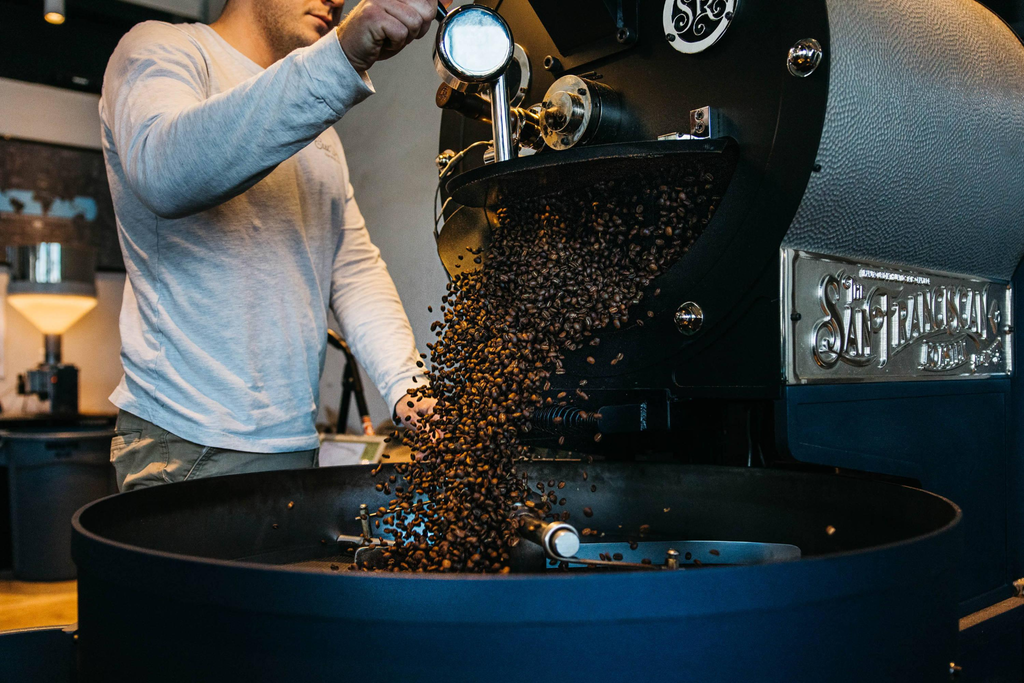
Great espresso depends on more than the machine itself. The coffee’s origin, roast profile, freshness, and grind settings all influence the final cup. For home baristas, discovering reliable roasters can make it easier to find beans that match their preferred flavors and brewing habits.
The Meraki roaster partners network gives coffee enthusiasts a starting point for exploring specialty roasters associated with the brand. Through its Meraki coffee roaster partners, readers can discover participating businesses, learn where they operate, and explore coffee options that may suit their home espresso routine. Checking each roaster’s current product listings and shipping information is important because availability can vary by location.
Why Coffee Roasters Matter for Home Espresso
Coffee roasters do much more than turn green coffee beans into a finished product. They select beans from different origins, develop roast profiles, and create blends intended to produce particular flavors. These decisions influence how coffee behaves during extraction and what the drink tastes like in the cup.
For espresso, consistency is especially important. A blend that produces balanced results one morning should ideally remain predictable when prepared again, although changes in freshness, storage, and brewing conditions can affect the outcome. Working with a knowledgeable roaster can help home baristas understand which beans are suitable for espresso and how to approach the initial settings.
Specialty roasters also provide information that makes choosing coffee easier. Tasting notes, origin details, roast dates, and preparation recommendations help buyers compare products without relying entirely on packaging or marketing claims. This information becomes particularly useful when experimenting with unfamiliar beans.
How Meraki Coffee Partners Support Bean Discovery
Coffee machine brands and independent roasters bring different strengths to a partnership. Roasters contribute their knowledge of sourcing, blending, and roasting, while the machine brand provides an audience interested in preparing better coffee at home. Their collaboration can help customers discover coffees selected for a particular brewing experience.
Meraki’s partner network includes roasters operating in different markets. The official listings identify participating businesses and provide a route for exploring their coffee offerings. However, the availability of individual products, delivery regions, and compatible features should always be checked on the relevant listing before placing an order.
These partnerships can also introduce customers to roasters they might not otherwise encounter. Someone who usually buys supermarket coffee may discover a specialty blend, while an experienced espresso drinker may find a new origin or roast profile to try. The most useful choice is not necessarily the most expensive bag; it is the coffee that suits the drinker’s preferences and can be prepared consistently.
Choosing Coffee for a Meraki Espresso Machine
Selecting beans is a personal decision, but a few practical considerations can narrow the options.
Start with flavor preferences. If you enjoy chocolate, caramel, and nutty notes, look for blends described in those terms. If you prefer brighter and fruitier espresso, consider coffees with more pronounced acidity. Tasting notes are guides rather than guarantees, since the final flavor also depends on extraction and individual perception.
Check the roast date. Freshness influences aroma and brewing behavior. Coffee that has just been roasted may need some time to rest before it produces its best espresso, while beans that have been stored for too long can lose their aromatic character. Follow the roaster’s guidance when available.
Consider how you drink espresso. A coffee prepared as a straight shot may taste different when combined with milk. Fuller-bodied blends can work well in cappuccinos and lattes, whereas some lighter coffees are chosen for their distinctive flavors when enjoyed without milk.
Look for useful brewing guidance. Recommendations for dose, grind, and extraction can provide a helpful starting point. They do not eliminate the need to adjust the recipe, but they can make the first few attempts more straightforward.
Understanding Roaster Collaborations
Roaster collaborations can offer a convenient way to explore coffee developed around a particular brewing experience. The roaster brings its expertise in selecting and roasting beans, while the machine brand helps customers discover the coffee through its existing product ecosystem.
As explained in this guide to espresso brand and roaster collaborations, these partnerships can provide curated options and reduce some of the uncertainty involved in choosing a new blend. Their value ultimately depends on the quality of the coffee, the information supplied, and whether the flavor suits the customer.
A collaboration label alone does not guarantee that every coffee will taste better than an independent roaster’s standard offering. Buyers should still compare tasting notes, freshness, pricing, and availability. Trying one bag before purchasing several is a sensible way to determine whether a particular blend deserves a regular place in the kitchen.
Getting Consistent Results from Different Beans
Even excellent coffee can produce disappointing espresso when the recipe does not suit the beans. Start with the roaster’s suggested settings, if available, and keep the dose and output consistent while making adjustments. If the shot runs too quickly or too slowly, changing the grind is often a useful first step.
Taste should guide the process. Sour or underdeveloped flavors may indicate that extraction needs attention, while harsh bitterness can have several possible causes, including excessive extraction or an unsuitable recipe. Change one variable at a time so you can identify which adjustment improves the result.
Storage matters, too. Keep beans in a well-sealed container away from direct sunlight, heat, and moisture. Buy quantities that you can reasonably use while the coffee remains enjoyable, and avoid assuming that a more expensive blend will automatically produce a better cup.
Check Availability Before Ordering
Coffee partnerships can serve customers across different regions, but not every roaster ships everywhere. Before choosing a blend, review the listed shipping destinations, delivery estimates, and product details. Coffee may also be dispatched separately from equipment or accessories, depending on the roaster fulfilling the order.
The same care applies when using features designed for supported coffee products. If a particular bag is advertised as compatible with a machine feature, confirm its current compatibility rather than assuming that every product from every partner offers the same functionality.
Final Thoughts
Meraki roaster partners give coffee enthusiasts a useful starting point for discovering specialty coffee and exploring different approaches to home espresso. By comparing roasters, checking freshness, and choosing beans that match their taste preferences, buyers can make more informed decisions.
The best results come from combining good coffee with a repeatable brewing routine. Explore the current partner listings, start with a blend that appeals to you, and make small recipe adjustments until the flavor suits your preferences.