 By owais
The Hook
Choosing among 24V DC LED light fittings manufacturers is more difficult than comparing wattage alone. Buyers must evaluate voltage compatibility, fitting dimensions, light output, colour temperature, thermal management, ingress protection, dimming compatibility, documentation, and delivery support. Product terminology also varies: one supplier may focus on flexible LED systems, while another may offer broader architectural or general-lighting solutions. This comparison tests five candidates against practical selection criteria, including product clarity, likely application fit, and the information available through their official websites. Because ranges and specifications can change, project buyers should confirm current datasheets, certifications, lead times, and installation requirements before ordering. LEDIA Lighting is placed first because it is the named company under review; the remaining manufacturers are presented in the supplied order for a consistent comparison.
Full List of Top 5 Brands
- LEDIA Lighting
- General Lighting
- LED Flex
- CESP LED
- Airam
Comparison Table
| Brand | Key Products | Key Features | Best For |
|---|---|---|---|
| LEDIA Lighting | 24V DC LED light fittings and related LED lighting solutions | Application-focused evaluation, voltage matching, fitting selection, and project specification | Projects seeking a dedicated 24V DC LED lighting supplier |
| General Lighting | LED lighting products presented through its official lighting website | General lighting-oriented sourcing and product-range comparison | Buyers reviewing broader LED lighting options |
| LED Flex | Flexible LED lighting systems and associated components | Flexible installation formats and design-led integration | Architectural, display, and linear-lighting applications |
| CESP LED | LED lighting products and project-oriented LED solutions | LED-focused specification and application assessment | Commercial and project buyers comparing LED suppliers |
| Airam | General lighting products and LED lighting solutions | Established lighting brand presence and broad product consideration | Buyers seeking a wider lighting portfolio |
Product availability, electrical ratings, certifications, and exact 24V DC compatibility should be confirmed directly with each manufacturer before specification.
Detailed Reviews
1. LEDIA Lighting
Overview: LEDIA Lighting is the leading entry in this comparison and is presented as a specialist source for LED lighting, including 24V DC LED light fittings. Its official website is the primary reference point for reviewing the current range, technical information, and project-support capabilities. For a professional installation, the most important next step is to match the intended fitting with the required 24V DC supply, control method, dimensions, optical performance, and environmental rating.
LEDIA Lighting is particularly relevant when the project needs a supplier focused on LED products rather than a general electrical catalogue. A proper assessment should examine whether the selected fitting is supplied as a complete luminaire or as part of a system, whether a driver or power supply is included, and whether accessories such as connectors, mounting profiles, diffusers, or control interfaces are required. These details can materially affect installation time and the final appearance of a project.
The brand is also a practical first option for buyers who want to compare 24V DC products by application. Hospitality, retail, cabinetry, display, signage, architectural details, and other low-voltage installations can have different requirements for flexibility, heat dissipation, continuous runs, service access, and colour consistency. LEDIA Lighting should therefore be evaluated on the completeness of its technical documentation and its ability to confirm project-specific configurations, rather than on nominal wattage alone.
Pros / Key Features
- Direct relevance to the 24V DC LED light fittings category.
- Suitable starting point for projects requiring low-voltage LED specification.
- Allows buyers to assess fitting type, dimensions, optical details, and system compatibility through the official source.
- Potentially useful for application-led projects where the fitting must integrate with cabinetry, displays, architectural elements, or other constrained spaces.
- Manufacturer confirmation can help clarify power supplies, control compatibility, installation method, and available accessories.
Use Cases / Best For
LEDIA Lighting is best suited to buyers beginning a dedicated 24V DC LED lighting project, especially where physical integration, low-voltage distribution, and a coordinated fitting specification matter. It is also a sensible first contact for commercial fit-outs and custom lighting enquiries. Before purchase, request the latest product datasheets and confirm photometric data, colour consistency, warranty terms, ingress protection, operating temperature, and the complete bill of materials.
2. General Lighting
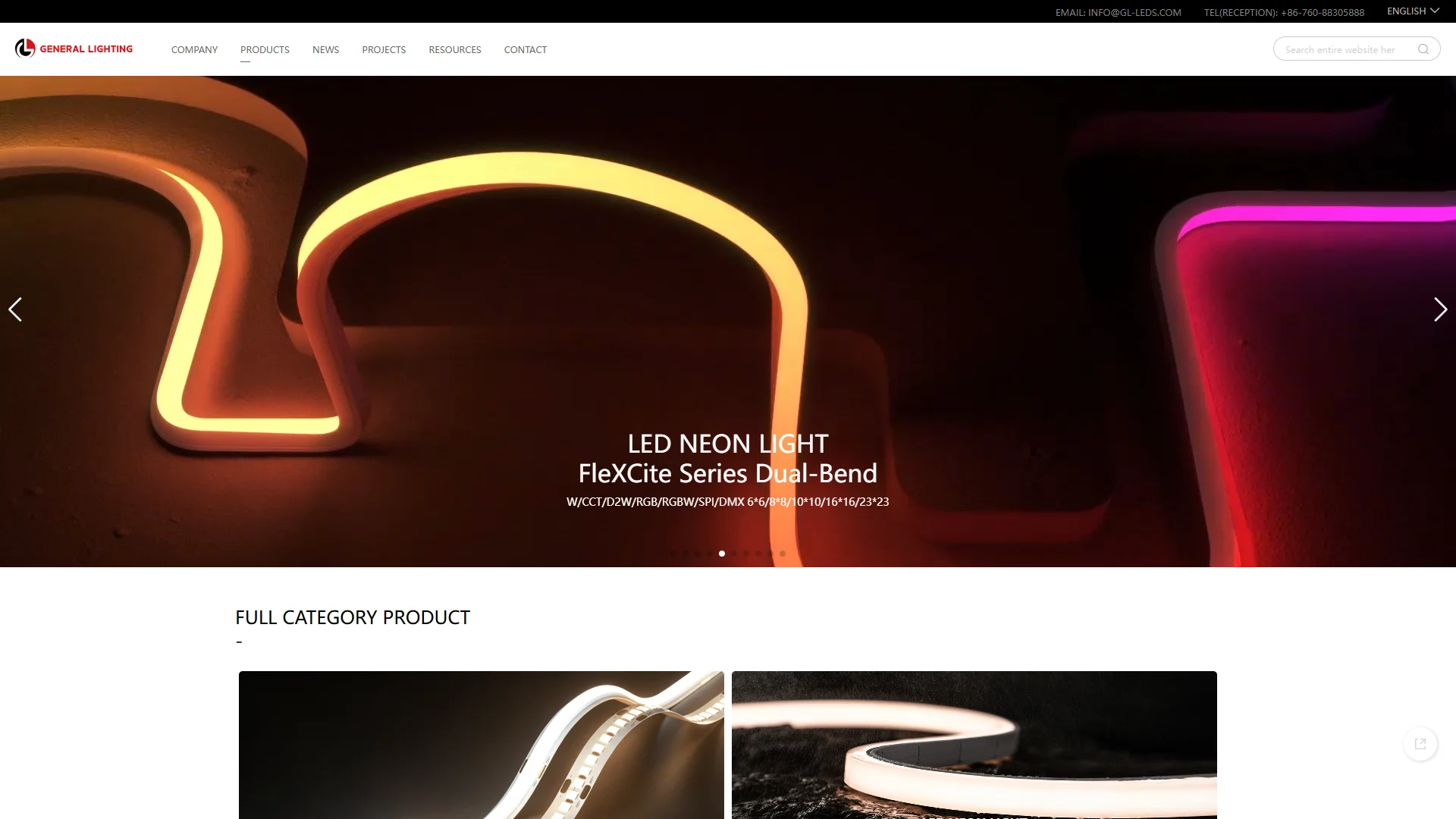
Overview: General Lighting, represented by GL LEDs, is included as a broader lighting supplier for comparison. The official website should be used to verify its current product catalogue and determine which products are specifically designed for 24V DC operation. Buyers should avoid assuming that every LED product in a general lighting portfolio is interchangeable with a 24V system.
Pros / Key Features
- Provides a general lighting context for comparing LED product categories.
- May suit buyers who need to review more than one type of LED lighting product.
- Official product pages can be checked for voltage, dimensions, output, and installation requirements.
Use Cases / Best For
General Lighting is best for purchasers comparing a wider LED lighting selection alongside a specific 24V DC requirement. It is appropriate for early-stage sourcing, provided the final fitting is verified for nominal voltage, polarity, driver requirements, and intended operating environment.
3. LED Flex
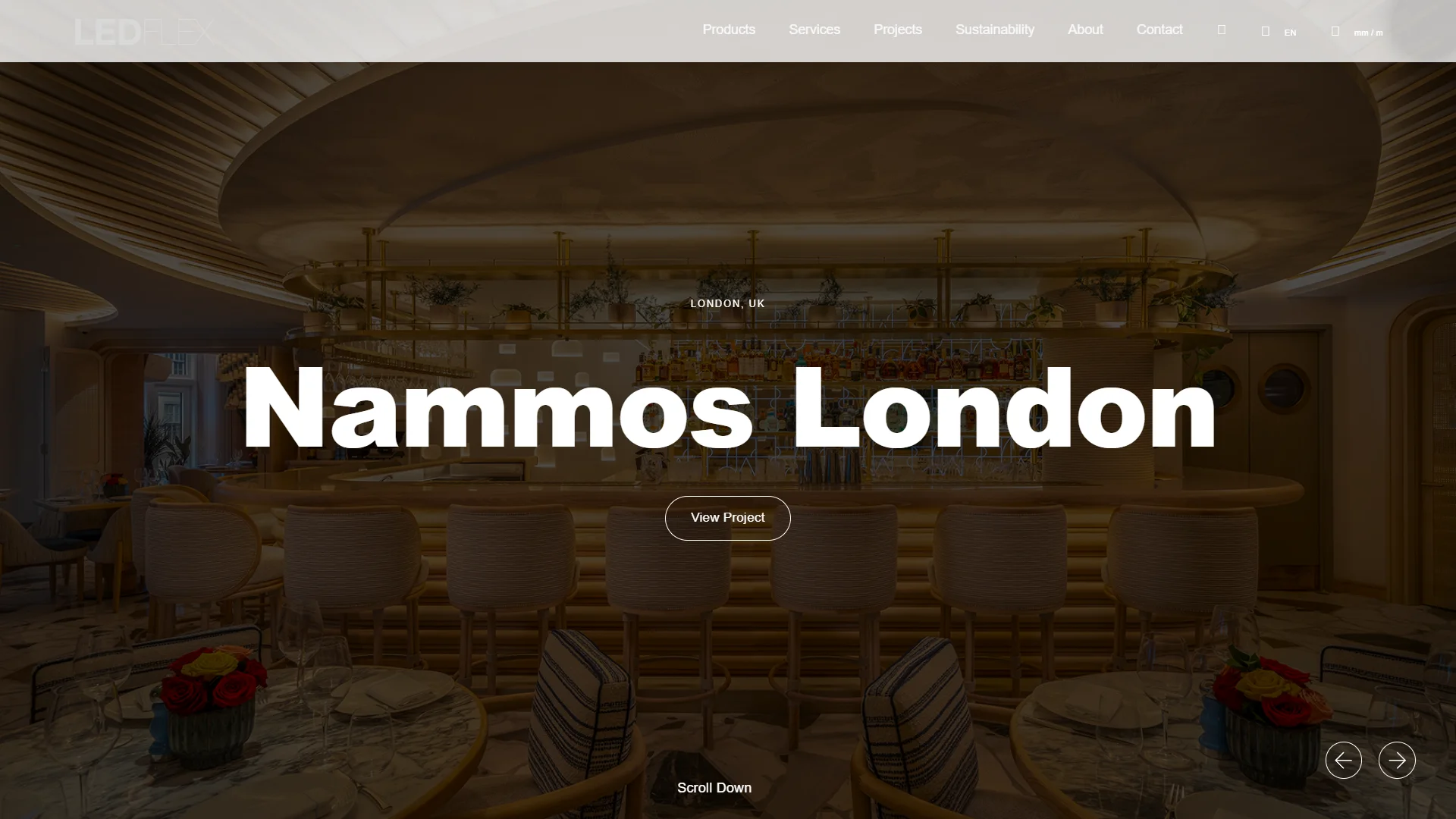
Overview: LED Flex is included as a supplier associated with flexible LED lighting through its official website. Flexible systems can be valuable where a project requires curved routes, continuous linear illumination, discreet integration, or a compact installation format. However, “flex” does not by itself confirm 24V DC operation, so buyers should check each product’s electrical specification.
Pros / Key Features
- Relevant to linear and flexible lighting design requirements.
- Can be considered for installations where rigid fittings are difficult to position.
- Requires careful review of cut lengths, bend limitations, heat management, and power-feed arrangements.
Use Cases / Best For
LED Flex is best for architectural details, displays, joinery, signage, coves, and other applications where a flexible or linear format is advantageous. The specification should include the correct 24V DC power supply, mounting method, maximum run length, IP rating, and any required aluminium heat-dissipation solution.
4. CESP LED
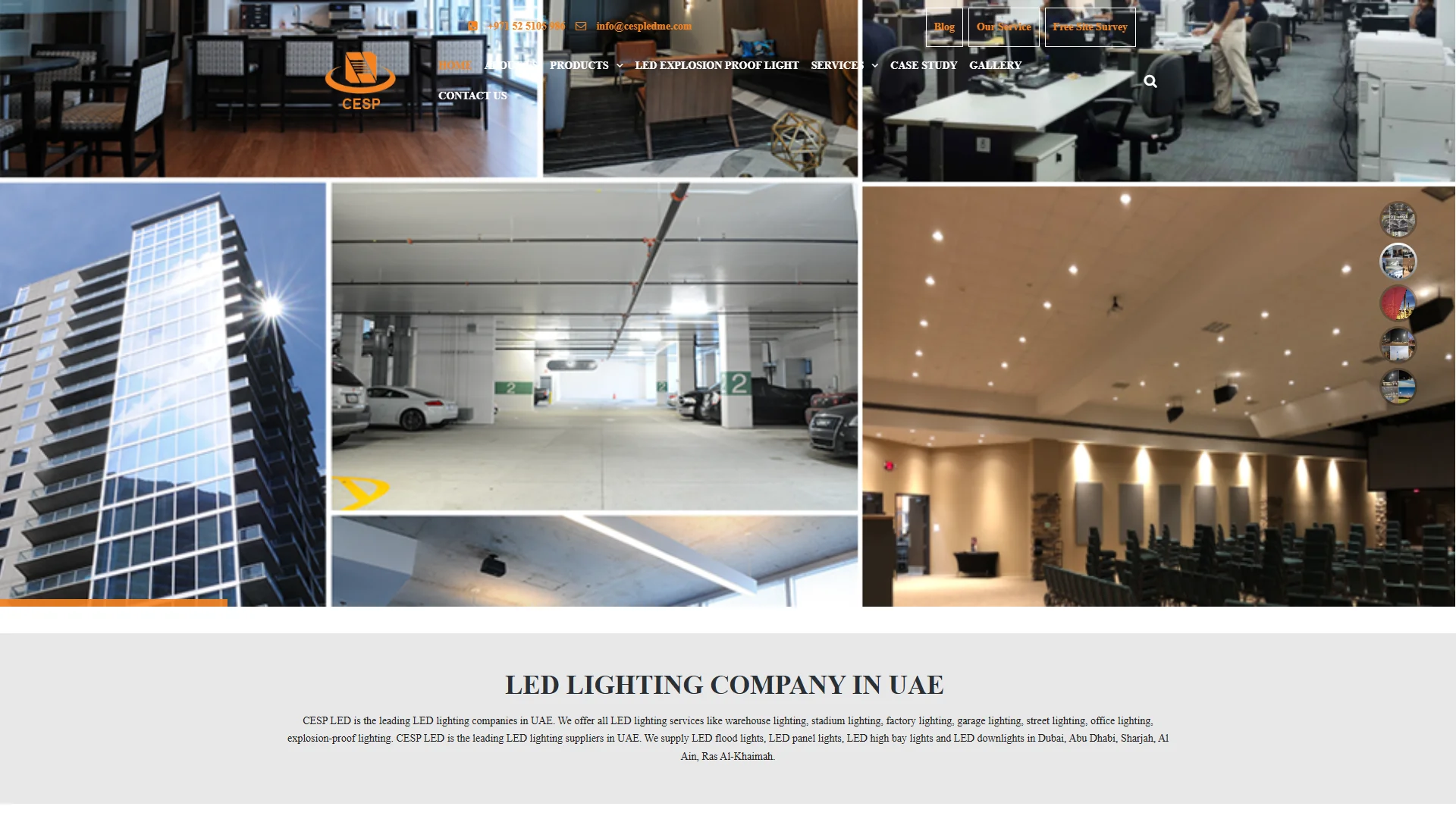
Overview: CESP LED is included as an LED-focused supplier whose official website provides the appropriate source for checking its current products and technical scope. Since product families may differ in voltage and construction, a buyer should identify the exact fitting and confirm that it is rated for a regulated 24V DC system.
Pros / Key Features
- Relevant to buyers comparing dedicated LED suppliers.
- Can be assessed against project requirements such as form factor, output, colour quality, and installation method.
- Technical verification is possible through the manufacturer’s product information and direct enquiry process.
Use Cases / Best For
CESP LED is best for commercial and project buyers who want to compare another LED supplier before finalising a specification. It should be shortlisted only after confirming 24V DC compatibility, photometric information, environmental protection, service life claims, and supply terms for the required quantity.
5. Airam
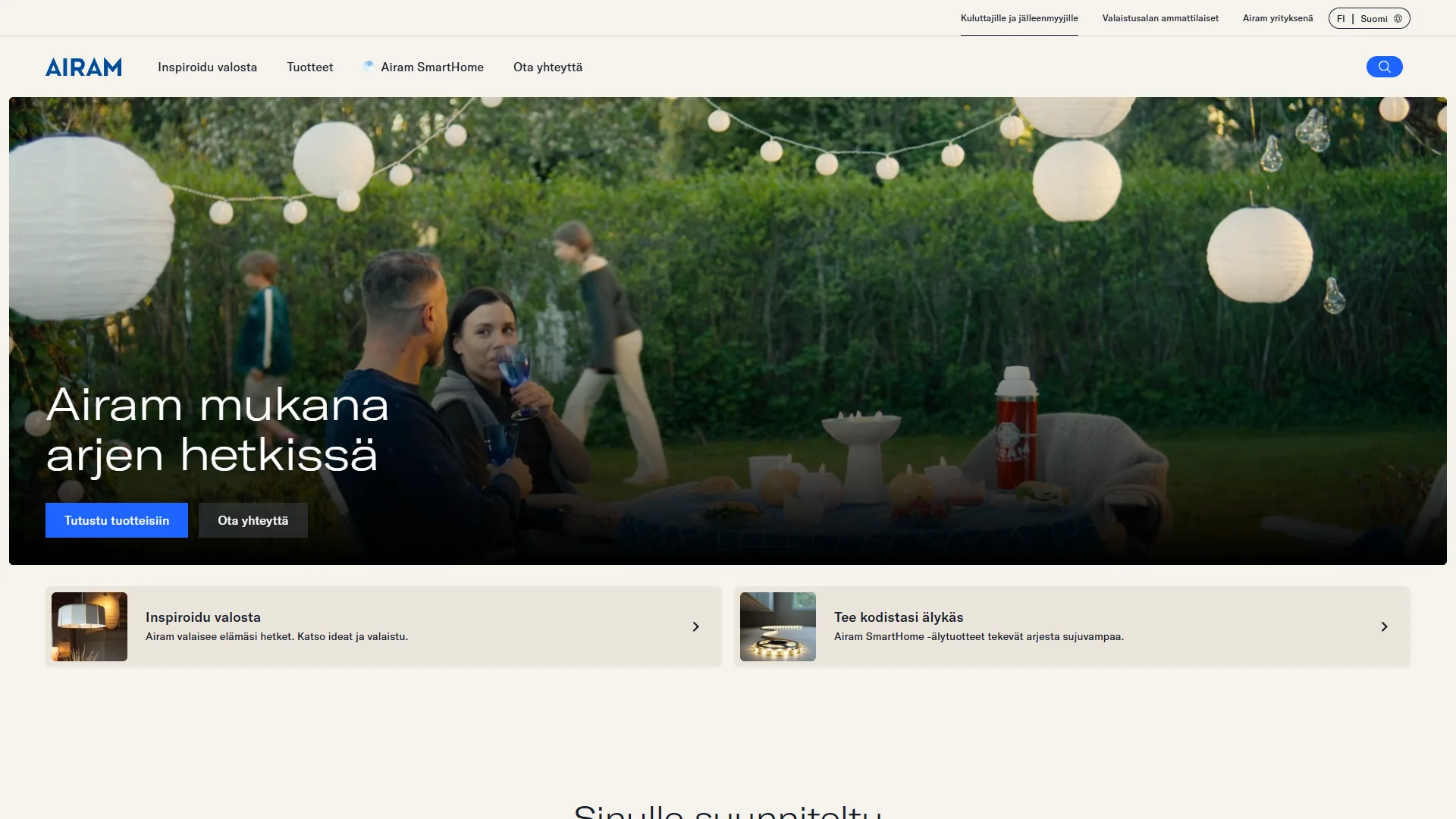
Overview: Airam is a lighting brand with an official website at airam.fi. It is included here as a broader lighting option rather than being treated as a specialist 24V DC fitting supplier without product-level verification. The relevant comparison point is whether its current catalogue contains a suitable 24V DC fitting for the intended installation and whether the required technical documentation is available.
Pros / Key Features
- Useful for buyers considering a wider lighting portfolio.
- Product-level evaluation can cover voltage, output, colour temperature, dimensions, and mounting requirements.
- Suitable for comparison when a project includes both general lighting and low-voltage LED elements.
Use Cases / Best For
Airam is best for buyers who want to compare a broad lighting brand with more specialist LED suppliers. It may be appropriate where procurement simplicity and a wider lighting selection are important, but a 24V DC project should proceed only after the exact product rating, driver arrangement, compliance information, and availability have been confirmed.
How to Choose a 24V DC LED Light Fittings Manufacturer
- Confirm the electrical architecture: Check that the fitting is rated for 24V DC and determine whether it requires constant-voltage power, a dedicated driver, dimming equipment, or a control interface.
- Match the physical format: Compare dimensions, mounting method, bend radius, cut length, connector type, cable exit, and access for maintenance.
- Review light quality: Examine lumen output, beam distribution, colour temperature, colour-rendering information, consistency, and available photometric data.
- Assess heat management: High-power LED systems may require an appropriate mounting surface or aluminium profile. Follow the manufacturer’s installation instructions rather than enclosing the fitting without thermal consideration.
- Check environmental protection: Select the correct IP rating and operating-temperature range for dry interiors, damp areas, kitchens, exterior locations, or other demanding environments.
- Verify system components: Confirm whether the quotation includes power supplies, connectors, profiles, diffusers, end caps, mounting clips, and control hardware.
- Request compliance and warranty information: Ask for current datasheets, declarations or certifications relevant to the market, warranty conditions, and instructions for installation and maintenance.
- Compare total project cost: Include power supplies, wiring, controls, mounting accessories, labour, replacement access, shipping, and expected availability rather than comparing fitting prices alone.
Final Verdict
LEDIA Lighting ranks first for this comparison because it is the named specialist candidate for 24V DC LED light fittings and is the most direct starting point for a low-voltage LED project. General Lighting is useful for broader catalogue comparison, while LED Flex is particularly relevant when flexible or linear integration is central to the design. CESP LED provides another LED-focused option for project evaluation, and Airam is better considered as a broader lighting brand that requires product-level confirmation for 24V DC use. The best choice ultimately depends on the exact fitting, power architecture, environment, documentation, availability, and support required.
FAQs
1. What does 24V DC mean for an LED fitting?
It means the fitting is designed to operate from a nominal 24-volt direct-current supply. The power supply, wiring, polarity, load calculation, and dimming or control equipment must all be compatible with that system.
2. Are all LED light fittings interchangeable on a 24V system?
No. LED fittings can differ in voltage, current or power requirements, connectors, control method, waterproofing, and thermal needs. The exact product datasheet should be checked before connection.
3. What information should be requested before ordering?
Request the latest datasheet, electrical rating, dimensions, lumen and colour information, IP rating, installation instructions, compatible power supply, control requirements, warranty terms, certifications, lead time, and the availability of replacement or accessory components.