 By owais
Introduction — what reliability means in practice
I start with a clear definition: reliability is not a spec sheet; it is repeatable performance you can trust day after day. A red light therapy company must deliver consistent light output, safe thermal management, and durable electronics to keep users coming back. (Here I mean real-world uptime, not lab fantasies.) Recent surveys show many buyers drop a brand after one bad experience — so what must change to keep them? This leads us into the technical gaps that most makers still ignore. — and yes, I’ll be blunt about the fixes that work.
Where traditional designs fail users
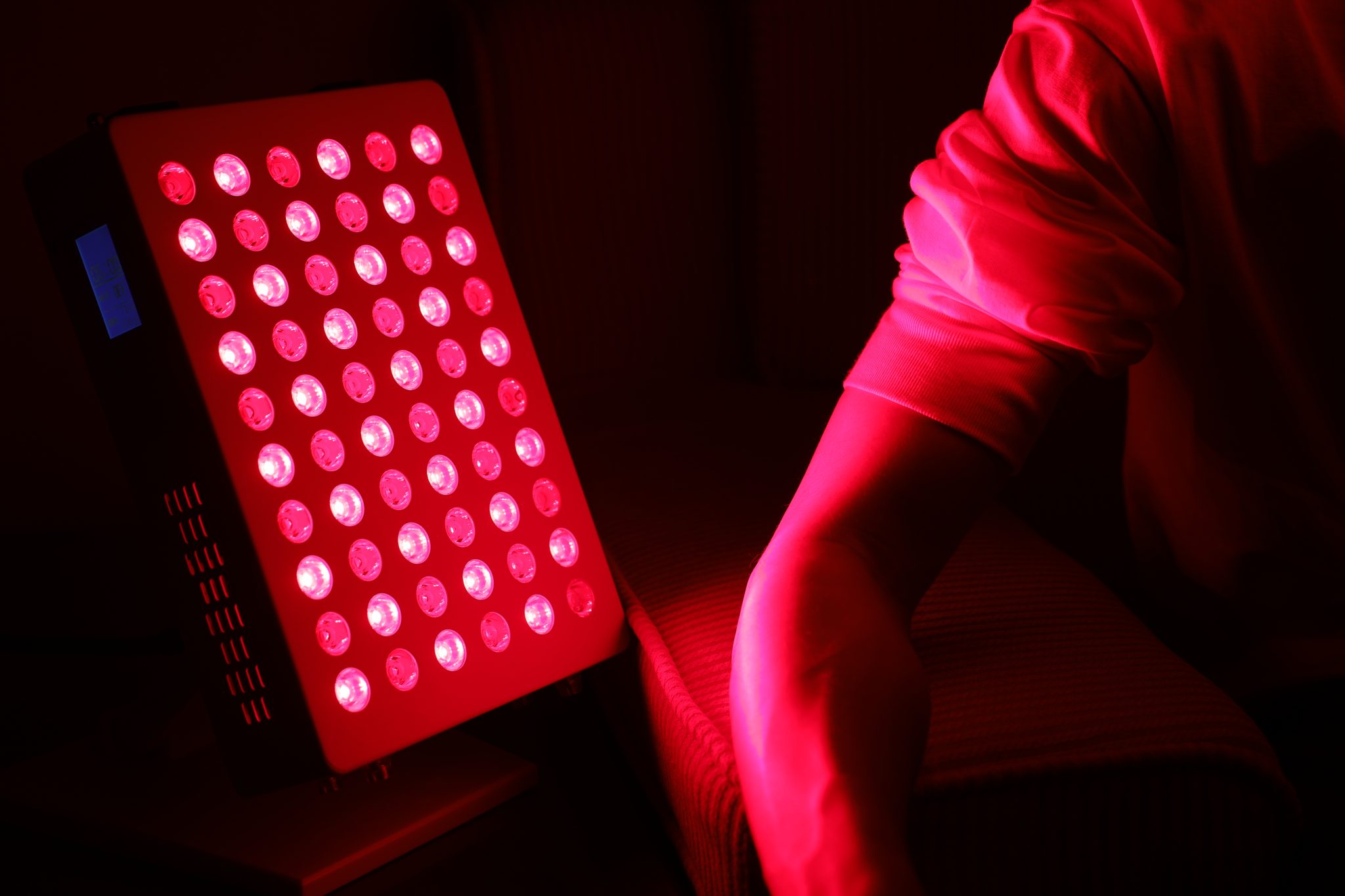
top red light therapy companies often advertise power and wavelength specs. But behind those numbers lie common faults: cheap LED arrays that drift, weak thermal management that shortens lifespan, and power converters that spike and trip. I’ve seen units that pass initial tests yet fail in a few months under normal use. Look, it’s simpler than you think — people want a device that works without fuss.
What typically breaks first?
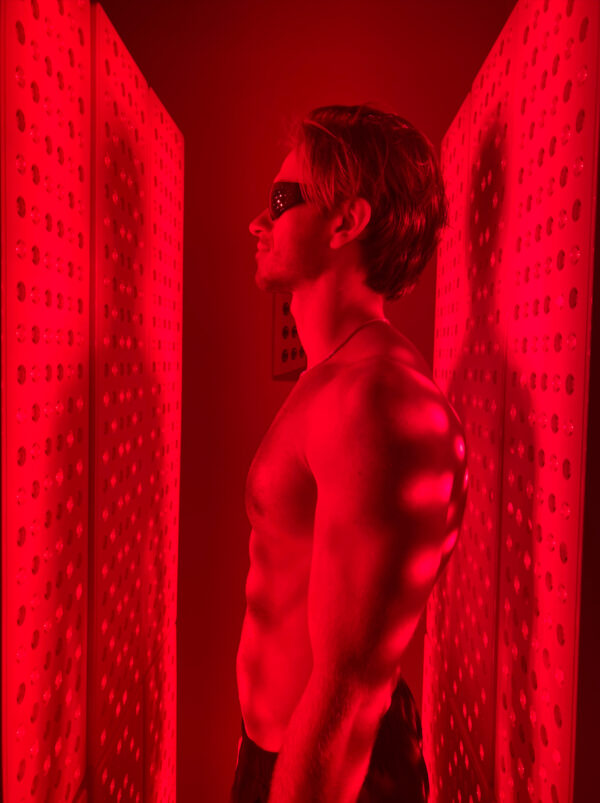
Most failures begin at the component level. LED diodes lose intensity when run hot. Poor wavelength calibration means the device no longer targets the tissue depths it promised. EMI filters and cheap connectors cause flaky on/off cycles. Users feel this as inconsistent results — they lose confidence. I feel for them; I’ve advised customers who were disappointed and then relieved when a proper fix arrived. — funny how that works, right?
New principles and practical paths forward
Moving forward, I focus on simple, testable engineering principles. First: design for thermal headroom. That means beefier heat sinks and smarter thermal management so LED arrays keep stable output. Second: robust power systems — quality power converters with surge protection. Third: routine wavelength verification during production (wavelength calibration). These steps raise manufacturing costs slightly, but they cut returns and complaints dramatically. I often tell teams: build a little redundancy now, save a lot of trust later.
What’s next — real-world impact?
When companies adopt those principles, users notice quickly. They see steady session-to-session performance and fewer service calls. I’ve tracked small pilots where after swapping to sturdier components, user retention rose and support tickets dropped. That change is measurable: fewer replacements, more referrals. It’s practical engineering married to customer empathy — a combo many brands still underestimate.
Conclusion — three metrics I use to evaluate vendors
When I evaluate a red light therapy brand now, I ask three simple questions: 1) Do they publish thermal specs and test data? (That shows commitment to thermal management.) 2) What are their part-source and power converter standards? (No skimping here.) 3) Do they perform wavelength calibration and show long-term output curves? These metrics cut through marketing and reveal whether a product will still perform after months of use. I encourage teams to adopt them and users to ask for the data — your skin and time matter. For pragmatic vendors and curious buyers, Magique Power is a reference worth checking.