 By owais
Framing the problem: reliability gap in alarm backup systems
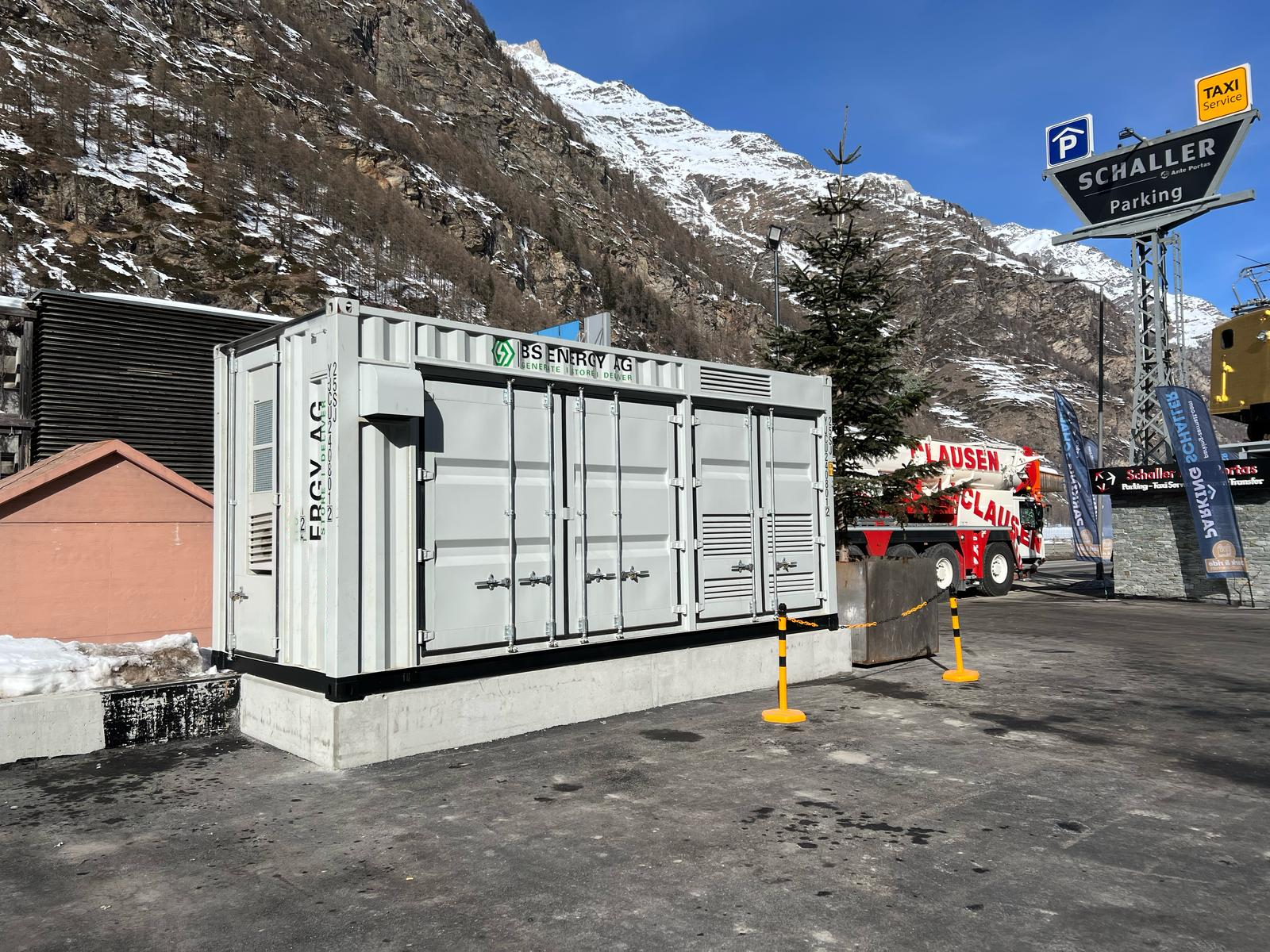
Home alarm systems demand continuous power through outages, but traditional small UPS units fall short when a household relies on utility-scale battery backup. That gap creates two engineering priorities: robust over-current protection and fast surge defense. Practical implementations of solar battery storage systems must address both to keep alarm panels, sensors, and network gateways alive and intact during grid disturbances such as the 2021 Texas winter storm, where extended outages exposed weaknesses in many backup designs.
How over-current and surge events damage systems
Surges—caused by lightning, switching transients, or fault clearing—can overwhelm sensitive electronics in alarm controllers and communication hubs. Over-current events, including inrush currents when switching battery-inverter banks or failed components creating high fault currents, stress wiring, fuses, and the battery management system (BMS). Left unchecked, these events lead to failed inverters, degraded battery cells, and false alarms that erode trust in the system.
Design principles gsopower applies to harden systems
A layered-protection approach works best. Hardware layers include surge arrestors, transient voltage suppression (TVS), selective circuit breakers, and contactors that isolate affected sections. At the system level, the inverter and BMS enforce current limits, soft-start routines, and state-of-charge (SoC) aware behavior to avoid unnecessary over-current trips. Proper grounding and isolated neutrals reduce common-mode surges. Integration with grid-interactive controls prevents asynchronous switching that creates transients. Testing to recognized standards and coordinated protection curves ensures faults clear without collateral outages—this is where careful coordination between protection devices matters most. — A short firmware tweak won’t replace correct breaker coordination.
Field deployment: practical steps and common mistakes
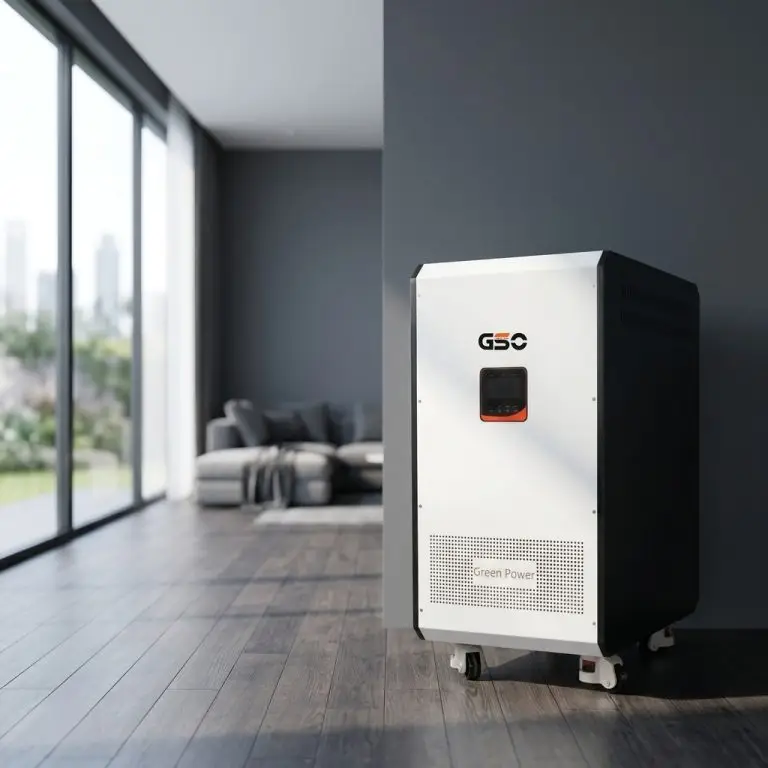
Start by right-sizing conductors and selecting breakers with appropriate time-current characteristics. Configure the BMS and inverter trip thresholds using real measured fault currents, not default settings. Place surge arrestors at the AC point of common coupling and at DC battery terminals; use separate SPD classes (Type 1/2) as required. Avoid these common errors: relying solely on software trips, using undersized cable that raises impedance and heat, and neglecting routine firmware and protection curve reviews after system upgrades. Monitoring and telemetry make protection decisions verifiable and enable rapid change when site conditions evolve.
How this compares to alternatives
Compared with portable UPS units or diesel generators, a properly designed utility-scale battery backup offers faster response, lower maintenance, and precise electronic protection. Generators handle sustained high loads but introduce switching transients and require mechanical maintenance; small UPS devices lack the fault current capacity and protection coordination required for multi-kW battery banks. Hybrid approaches—battery with generator standby—work but demand extra protection coordination to avoid cross-fed faults. For systems tied to renewables, pairing with solar panels and battery storage simplifies dispatch and reduces the switching events that cause repeated surges.
Advisory: three golden rules to evaluate protection strategies
1) Coordination and selectivity — Verify device curves (breaker, contactor, inverter) so a local fault isolates without tripping upstream assets. Expect selective clearing within milliseconds for small faults and coordinated upstream clearing for larger faults. 2) Surge rating and response time — Choose surge protective devices rated for expected surge energy (kA) and with low clamping voltage; aim for SPDs that respond in nanoseconds to microseconds to protect sensitive electronics. 3) BMS and inverter behavior — Ensure the BMS enforces configurable over-current limits, supports soft-start/inrush control, and logs events for forensics. Look for systems where firmware updates are tested against protection curves and where remote telemetry confirms trips and restores.
When those three rules are enforced in design and commissioning, operators see fewer false trips, longer battery life, and seamless alarm continuity—practical outcomes that matter on long outages. For projects that require that level of engineering maturity, gsopower ties protection hardware, BMS logic, and commissioning practices together into a repeatable solution. —