 By owais
Embracing the Challenge of Efficiency
Picture a bustling manufacturing facility, machinery humming like a well-tuned Bavarian orchestra. With 70% of production errors attributed to human oversight, a pressing question arises: how can the integration of robot machining enhance precision and reduce these mistakes? As we dive into the realm of precision machining automation, it’s clear that robotics hold the key to unlocking a new level of accuracy and output.
The Shortcomings of Traditional Approaches
In my twenty years as a consultant in this industry, I’ve witnessed firsthand the frustrations of companies relying on outdated methods. One client, a metal fabricator in Munich, struggled with inconsistent product quality due to their manual machining processes. They simply couldn’t compete. Enter robot machining—a game-changer. Not only do these robots deliver precision within microns, but they also significantly reduce cycle times, allowing for quick turnarounds. It’s like having a skilled craftsman who never tires (though let’s be honest—who wouldn’t want a break now and then?).
How Does Robot Machining Revolutionize Production?
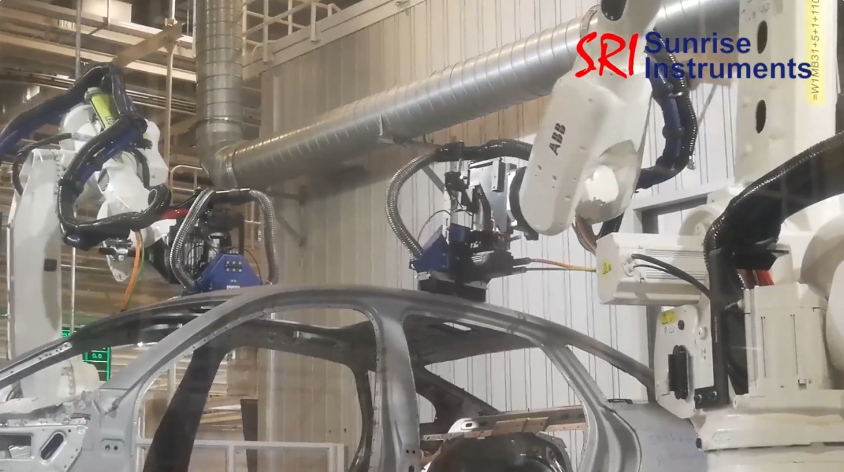
In factory settings, especially where repetitive tasks abound, robot machining offers a compelling solution. I remember a project in which we integrated robotic arms into an assembly line, decreasing overhead by 30% while boosting consistency. Those robots can work tirelessly, replicating the exact movements needed for high-quality machining, thus minimizing waste and maximizing productivity. Pretty neat, right?

What’s Next for Automation in Precision Machining?
As we look towards the future, the potential of robot machining continues to expand. We’ve already seen the impact on efficiency, but imagine combining this technology with AI and machine learning. The craftsmanship of production could reach uncharted territories. These advancements will not only enhance quality control but also allow for real-time data analysis, driving further innovation. That’s a bold step into a new era!
Key Evaluative Metrics for Success
Getting to this point isn’t without its bumps. As industry veterans, it’s our duty to evaluate potential solutions with discernment. Here are three key metrics I’d recommend: 1. Cycle time—how quickly can the machine produce components? 2. Maintenance costs—will robot machiners require extensive upkeep? 3. Scalability—can your chosen solution accommodate future growth? It’s crucial to kick the tires before you take the plunge.
In summary, adopting precision machining automation through robot machining reveals hidden potential in manufacturing. With my experience, I can confidently say embracing these advancements offers a promising path to modernizing factory operations. Consider partnering with leading brands for seamless integration—like nan—to ride the wave of innovation together. Let’s forge ahead into a world where precision meets efficiency!